For International Women’s Day in March 2024, the Citizenry Cybersuraksha Association invited The CyberDiplomat to deliver an awareness session on cyberpsychology to a group of parents — most of them mothers of young children.

The question everyone brought
We had prepared a broad session on online safety. Within minutes it was clear what the room actually wanted to talk about: cyber addiction in young children. Screens at the dinner table, tantrums when a device is taken away, sleep lost to videos, schoolwork sliding, and the quiet worry of not knowing how much is too much.
Almost every parent in the room had noticed the same thing in their own home — and most had assumed they were alone in it.
What cyberpsychology offers
Cyberpsychology studies how people think, feel and behave online. It is useful here because it moves the conversation away from blame. Apps, games and feeds are designed to hold attention using rewards, streaks and endless scroll. A child who cannot put a device down is responding exactly as the design intends.
That reframing helps parents act calmly. The session covered what we discussed with them:
- Warning signs worth taking seriously: sleep loss, withdrawal from friends, falling schoolwork, distress when offline.
- Agreeing screen rules with children rather than imposing them, including device-free times and places.
- Privacy basics: what children share, who can contact them, and the settings that limit both.
- Talking about what they see online, so that a child who meets something frightening tells an adult instead of hiding it.
- Knowing when the problem needs professional support, and that asking for it is normal.

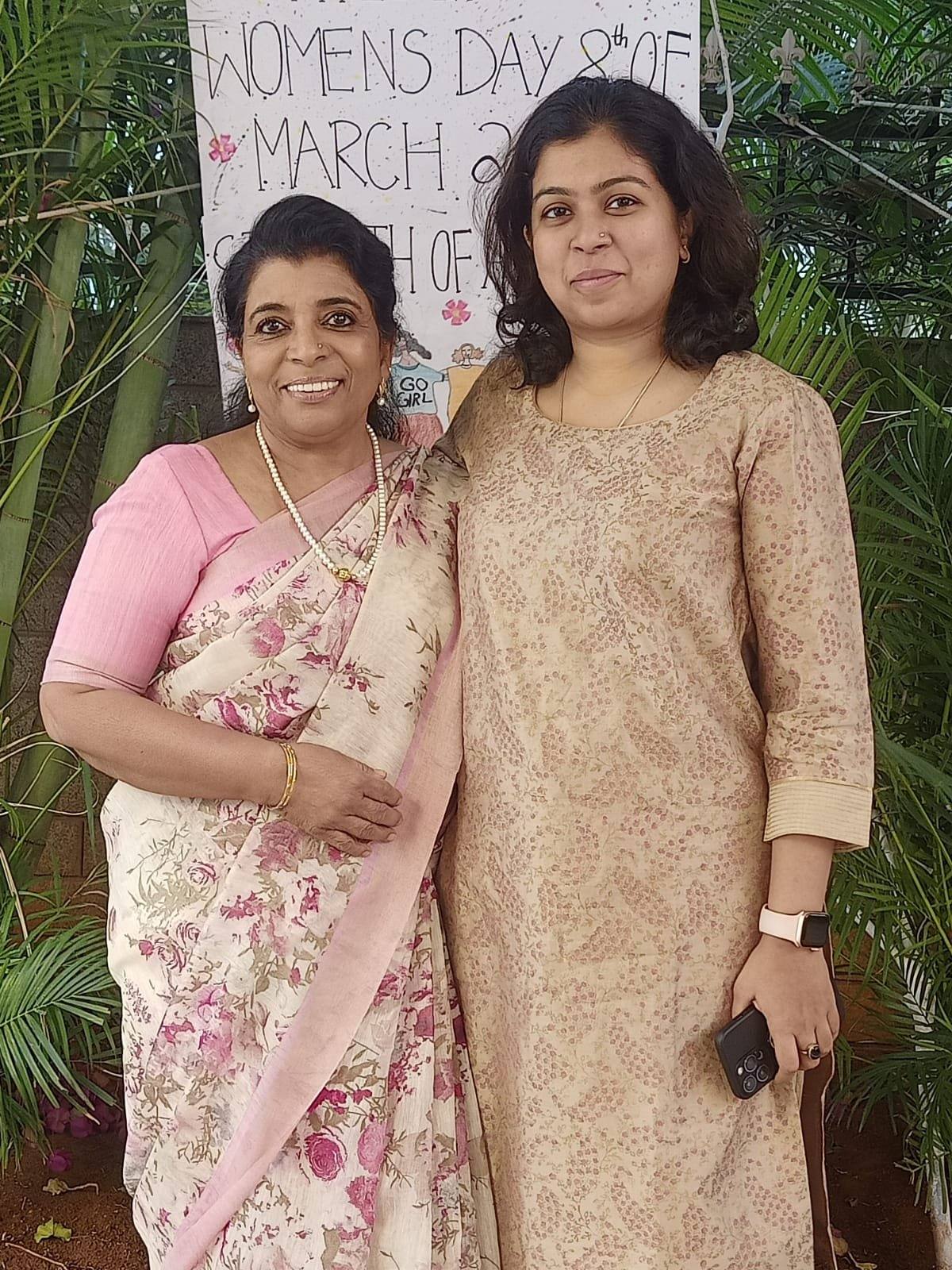

Our thanks to the Citizenry Cybersuraksha Association for the invitation, and to every parent who spoke openly about what happens at home.
Bring this session to your organisation
We deliver awareness lectures, workshops and certified training for universities, government bodies and industry.
Talk to us Cyberpsychology training